Cleaning Lady London in London

Cleaning Lady London provides cleaning services in London for households and workplaces that need a reliable, well-planned clean without unnecessary fuss. The main focus is practical domestic and commercial cleaning, with options that include recurring cleaning, one-off visits and deeper cleans where a property needs more detailed attention. Our aim is to keep the service straightforward: clear scope, sensible scheduling and an approach that matches the condition of the space.
For many customers, the most useful starting point is to decide how much cleaning support is needed and which rooms or surfaces matter most. That could mean regular help with shared living areas, a more thorough reset after a busy period, or support for a business that wants a tidy and professional setting. If you are comparing options, the easiest next step is to request a quotation once you know the level of clean you want.
The service can be tailored around the type of property, the floor finish, the fixtures in use and any areas that need closer attention. A well-organised clean is usually better than an overcomplicated one, especially when the space has a clear purpose and a specific standard to maintain. Consistency matters as much as appearance, so the work is planned to be practical, neat and appropriate to the setting.
Domestic cleaning for homes that need regular care
Domestic cleaning is often about staying on top of the ordinary tasks that make a home feel manageable. That can include dusting, wiping accessible surfaces, vacuuming, mopping hard floors and dealing with the kinds of marks that build up in kitchens, hallways and living rooms. It is not just about making a room look better for a short time; it is about helping a property stay orderly through the week. For many homes, a routine clean is the most efficient way to keep on top of everyday build-up without losing time to chores that can be handled professionally.
Homes do not all need the same approach. A busy flat may need more focus on compact spaces and repeated touchpoints, while a larger house may need the work broken into practical areas so that the whole property is covered properly. In both cases, clear priorities help. If there are children, pets, shared rooms or particularly visible surfaces, the clean can be arranged to focus on the places that matter most. You can ask for a quote once you have a sense of the rooms, frequency and overall level of attention required.
Regular domestic cleaning is usually most effective when the tasks are simple, consistent and sensibly grouped. The most useful decisions tend to be about access, frequency and the balance between general tidying and more detailed attention. If a home has a few problem areas, it is often better to deal with them methodically rather than trying to change everything at once. That keeps the result more dependable and helps the service remain efficient from one visit to the next.
One-off and deep cleaning for more detailed results

Some properties need more than routine maintenance. One-off cleaning is suited to homes or workplaces that need a single detailed visit rather than a recurring arrangement, while deep cleaning is useful when the goal is to go further than a standard tidy-up. These services can be appropriate after a period of heavy use, before a change of occupants or whenever the place needs a more concentrated reset. The important point is to match the depth of the clean to the actual condition of the space.
Deep cleaning generally means giving extra attention to the places that are easy to overlook during normal upkeep. Edges, fittings, high-touch surfaces and other built-in features can all take longer than an everyday clean, especially if dust, grease or residue has built up over time. It is usually best to think in terms of thoroughness rather than speed. A careful approach allows the work to be done in a sensible sequence so the result feels complete rather than rushed.
If you are considering a one-off visit, it helps to decide what needs priority and what can be left to a lighter standard. Some customers want the whole property refreshed; others only need a few rooms brought back under control. Either way, it is sensible to keep the brief clear. That makes it easier to prepare a quotation and allows the clean to focus on the correct level of detail instead of adding tasks that are not required.
End of tenancy cleaning and move-out preparation
End of tenancy cleaning is designed for properties that need a thorough finish before a change of occupants. The work is typically more detailed than a routine domestic clean because the aim is to leave the space ready for inspection, handover or reoccupation. Kitchens, bathrooms, storage areas and commonly used surfaces often need particular attention, and the job benefits from a careful, room-by-room method rather than a quick general tidy. It is a practical service for rental homes, flats and managed properties where presentation matters.
Move-out cleaning is usually most effective when the condition of the property is assessed honestly at the start. A space that has seen heavy use may need additional time on build-up, corners and fixtures, while a lightly used property may only need a controlled finishing clean. The main thing is to understand what is included and what should be done separately, especially if the property contains items, fittings or surfaces that need special care. That way the quotation reflects the true amount of work involved.
For tenants, landlords and managing agents, a measured end-of-tenancy clean is often more useful than trying to solve every issue with a single rushed visit. Where necessary, a clean can be arranged around the rooms that most affect the overall impression of the property. Clarity at the start helps avoid misunderstandings later, and it keeps the service focused on the parts of the handover that genuinely matter.
Commercial cleaning for offices and shared work areas

Our commercial work includes office cleaning and office cleaners for workplaces that need a tidy, presentable environment without unnecessary disruption. Office cleaning usually covers desks, shared surfaces, floors, bins, washrooms and other routine contact areas, depending on the layout and the agreement in place. A good commercial clean is not only about appearance; it also helps maintain a working environment that feels orderly and easier to use day after day.
Different workplaces need different priorities. A small office may require a simple recurring clean with attention to shared rooms and entrances, while a busier site may need a more structured routine for higher-touch areas and larger floor spaces. The most useful commercial arrangements are usually those that are clear about which rooms are included, when the work takes place and what standard of finish is expected. That creates a practical service rather than a vague promise.
When you are looking at office support, it is sensible to think about the parts of the premises that influence first impressions and daily use. Reception areas, meeting rooms, kitchens and washrooms often carry more visual and practical weight than other spaces. A focused office clean can keep those rooms in better order, reduce the sense of clutter and make regular upkeep simpler. If you need a quotation, it is worth setting out the type of workplace and the tasks that matter most.
Specialist cleaning for carpets, upholstery and soft furnishings
Soft furnishings need a different approach from hard floors and surfaces, which is why we also provide carpet cleaning, rug cleaning, upholstery cleaning and sofa cleaning. These services are intended for items that collect everyday dust, marks and general wear, especially in homes, offices and shared spaces where the fabric surfaces are used often. Cleaning them properly can help refresh the look of the room without replacing the item.
The right method depends on the material, condition and construction of the item. Carpets and rugs may need attention to the pile, borders and stain-prone areas, while upholstery needs a careful balance between effective cleaning and respect for the fabric. A sofa often needs close work on arms, seats and cushions, particularly where there is regular use. The aim is not to overdo the process, but to use a suitable clean that respects the item and its finish.
These services are best considered separately from general house cleaning because the tasks, tools and expectations are different. A room can look tidy and still contain soft furnishings that need deeper care, especially when fabrics have absorbed ordinary traffic and use. If you are deciding what to include, think about which items shape the room most and where a more specialist clean would make the biggest difference. That is often where the value lies.
House cleaning and practical support for busy properties
House cleaning is a broad, practical service for properties that need a reliable clean across multiple rooms. It can cover dusting, vacuuming, mopping, surface wiping and the ordinary tasks that keep a home manageable. For many customers, this is the service that ties everything together, because it can be adjusted to suit routine upkeep, a more detailed refresh or a combination of the two. The main advantage is simplicity: one organised plan for the rooms that matter most.
Home cleaners and domestic cleaning are useful ways to think about the same kind of support from different angles. Some customers want a recurring arrangement for general upkeep, while others need a more flexible clean around changing routines or household demands. The work can usually be shaped around everyday realities such as family schedules, pets, shared rooms and the need to keep certain spaces ready for use at all times.
When a house cleaning service is arranged well, it supports the whole property rather than just a single room. That means focusing on the places where dirt shows quickly and the areas that are used most frequently. A sensible brief helps the clean stay efficient, and it also helps you compare quotations with more confidence. If you need support at home, start with the rooms, surfaces and frequency that best describe the job.
About London

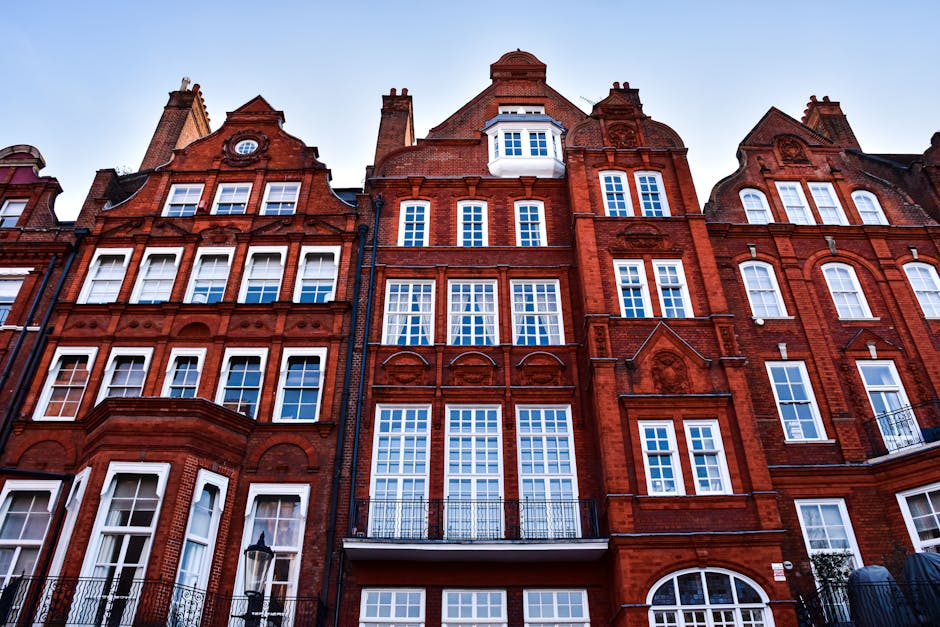
London is a city shaped by layers of history, movement and continual change. Its core grew from the original settlement on the Thames, and over time the capital expanded into a complex patchwork of districts, boroughs and neighbourhoods, each with its own character. The river remains one of the defining features of the city, with bridges, embankments and riverside paths linking areas that developed at different times and for different purposes. From the City’s narrow medieval street pattern to the broad ceremonial spaces around Westminster, the urban fabric shows how older routes, political power and commercial growth have left lasting marks on the landscape.
The city is also notable for the variety of its architecture. Historic churches, market buildings, civic institutions and surviving fragments of earlier centuries sit alongside post-war housing, transport infrastructure and modern towers. Many visitors recognise landmarks such as the Tower of London, St Paul’s Cathedral, the Palace of Westminster and the museums around South Kensington, but London is equally defined by smaller-scale places: squares, terraces, canal walks, commons and local high streets. Green spaces such as Hyde Park, Regent’s Park and Hampstead Heath provide a contrast to dense built-up streets, while waterways like the Regent’s Canal add another layer to the city’s geography.
London’s cultural life is broad rather than centralised. Theatres, galleries, concert halls, libraries and neighbourhood arts venues appear across the capital, alongside markets and places of worship that reflect long-standing and newer communities. Public transport links, especially the Underground, rail networks and bus routes, connect these varied districts and make movement across the city part of everyday life. The result is a place where historical continuity and constant reinvention coexist, and where local identity often feels strong even within one of the world’s largest cities.
Hard floors, windows and the finishing touches that improve presentation

Not every clean is about the same surfaces. Hard floor cleaning is relevant where floors need a more careful approach than a standard sweep or mop, especially if the surface has picked up dullness, marks or routine soil. Likewise, window cleaning can improve the overall look of a home or workplace by clearing glass that affects light, appearance and the sense of cleanliness in the room. These services can be useful on their own or alongside broader cleaning work.
Surface-specific cleaning is often where a property moves from merely tidy to properly finished. Floors are one of the first things people notice, and windows affect how clean and bright a room feels even when the rest of the space is already in decent order. A careful finish can also help the rest of the clean stand out more clearly. If the property contains mixed materials, it is helpful to identify which areas need special attention so the work is suitable from the outset.
If you are planning cleaning for a home or workplace in London, it is worth combining the right service areas instead of trying to make one type of clean do everything. Regular maintenance, deep attention and specialist surface care each solve different problems. For a straightforward start, tell us what the property needs and request a quotation when you are ready. That gives you a clear basis for choosing the right level of service.
Pricing, quotations and how to plan the right clean
Pricing and quotes are usually easiest to understand when the scope of the work is described clearly. The main factors are the type of property, the rooms included, the level of detail required and whether the service is recurring or one-off. A larger or more complex job naturally takes more planning than a simple regular clean, especially if specialist tasks are involved. The best quotation is the one that reflects the actual work rather than a vague estimate based on minimal information.
When preparing an enquiry, it helps to note the property type, the approximate size, the parts of the premises that matter most and any surfaces or items that need careful handling. If there are rooms you want included or excluded, say so at the outset. It is also useful to decide whether you want a general clean, a more detailed reset or a specialist service such as carpet, upholstery or window work. Those basic details usually make the quotation process smoother and more accurate.
We keep the process practical. The aim is not to overwhelm you with options, but to help you choose the service that fits the property and the result you want. If you are comparing services, start with the main purpose: regular upkeep, one-off cleaning, move-out cleaning or a specialist finish. From there, the quotation can be shaped around the work that genuinely needs doing.